

After a house fire, the visible damage is only part of the problem. Smoke odor removal is one of the most challenging aspects of fire recovery, and it is something that simply cannot be resolved with spray bottles, fans, or off-the-shelf deodorizers. If your home has been affected by fire and smoke, understanding what proper odor elimination actually involves makes it clear why professional intervention is not just recommended — it is essential.
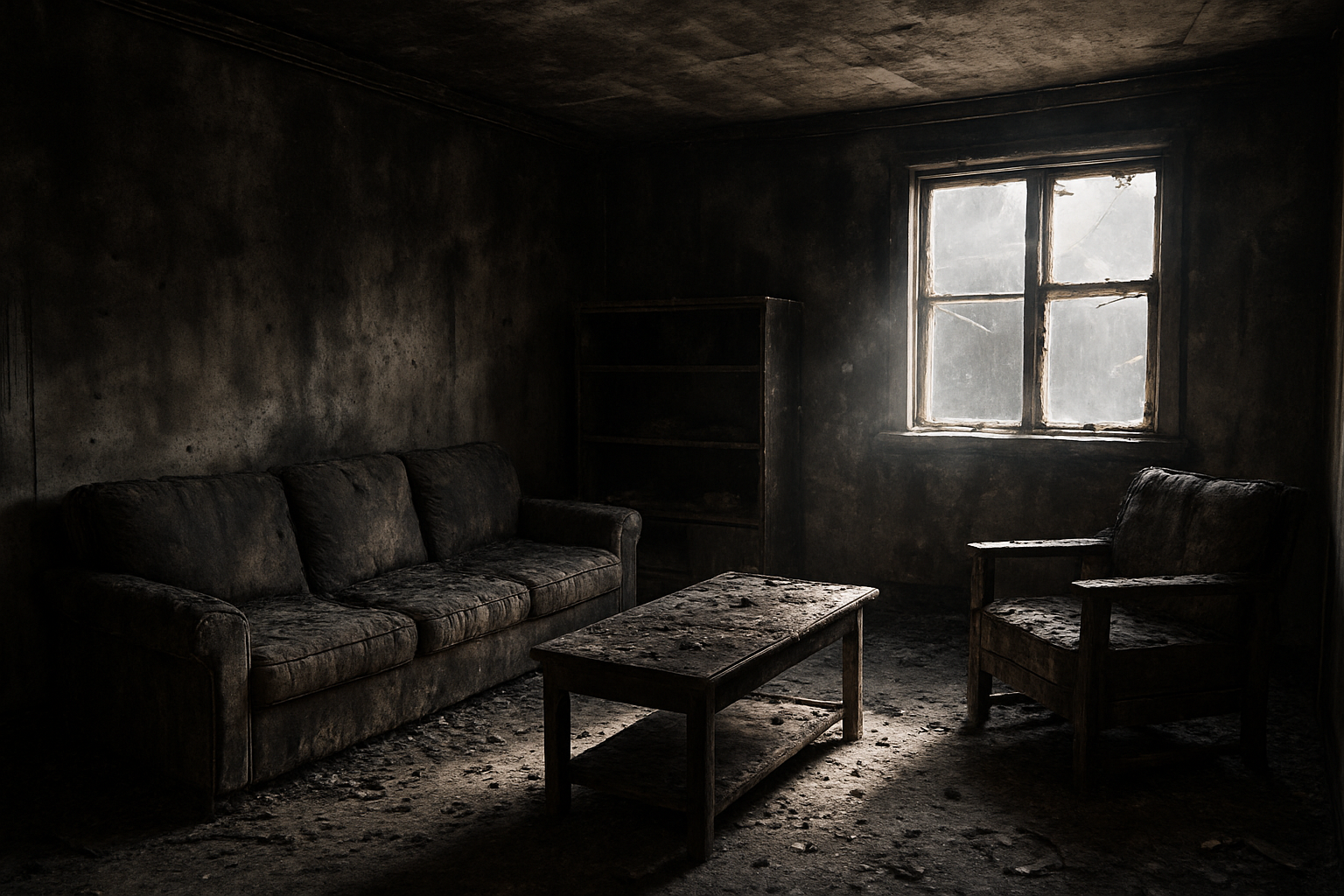
Smoke is not a surface-level problem. When a fire burns through a home, smoke particles penetrate deep into drywall, insulation, wood framing, carpet fibers, upholstery, and even the HVAC system. Those microscopic particles carry volatile organic compounds that continue to off-gas long after the fire is extinguished. That persistent, acrid smell weeks after a fire is not residual — it is an active chemical process happening inside your walls and materials.
We approach smoke odor removal as a multi-stage process, not a single treatment. The first step is a thorough assessment to understand how deeply smoke has penetrated different materials throughout the structure. Some surfaces can be cleaned and treated. Others — particularly porous materials like insulation or heavily saturated drywall — must be removed entirely before any odor mitigation can be effective. Attempting to seal over contaminated materials without removal is a temporary fix that will fail.
Once compromised materials are addressed, we use professional-grade techniques that are simply not available to homeowners. Thermal fogging is one of the most effective methods, using a heated solution that mimics how smoke traveled through the structure, reaching the same cavities and voids where odor-causing particles settled. Hydroxyl generators and ozone treatment are also deployed in appropriate settings to chemically neutralize odor compounds rather than masking them. These are controlled processes that require specialized equipment and training to execute safely and effectively.
The HVAC system deserves particular attention in any smoke odor removal project. Smoke travels through ductwork and deposits residue throughout the entire system. Without thorough duct cleaning and treatment, a restored room can be re-contaminated every time the system runs. We include duct inspection and cleaning as a standard part of our fire damage restoration process for exactly this reason.
Summer in New England brings its own complications to post-fire recovery. Heat and humidity accelerate the off-gassing of smoke compounds and can promote secondary mold growth in areas affected by firefighting water. Acting quickly in warm months is especially important to prevent what starts as an odor problem from becoming a more complex structural and air quality issue. You can read more about the professional approach to this type of work in our article on fire and smoke damage cleanup in New England.
If your home has suffered fire damage and you are dealing with persistent smoke odor, do not wait and hope the smell fades on its own. It will not. ABH Services Inc. is ready to help homeowners and property owners across Eastern Massachusetts and Southern New Hampshire restore their properties properly. Call us at (781) 941-2422 or connect with us on ABH Services on Facebook to get started.